
Treasures and Troubles We Carry
Abraham Lincoln’s beloved son Willie died at age eleven in the White House. Lincoln’s anguish is well known to historians. He would visit the crypt where Willie lay, sometimes lingering for hours, even asking the caretakers to open the coffin so he could sit with his lost boy. In those hushed, sorrowful moments, the president who steered a nation through its darkest war was simply a grieving father—unable to let go.
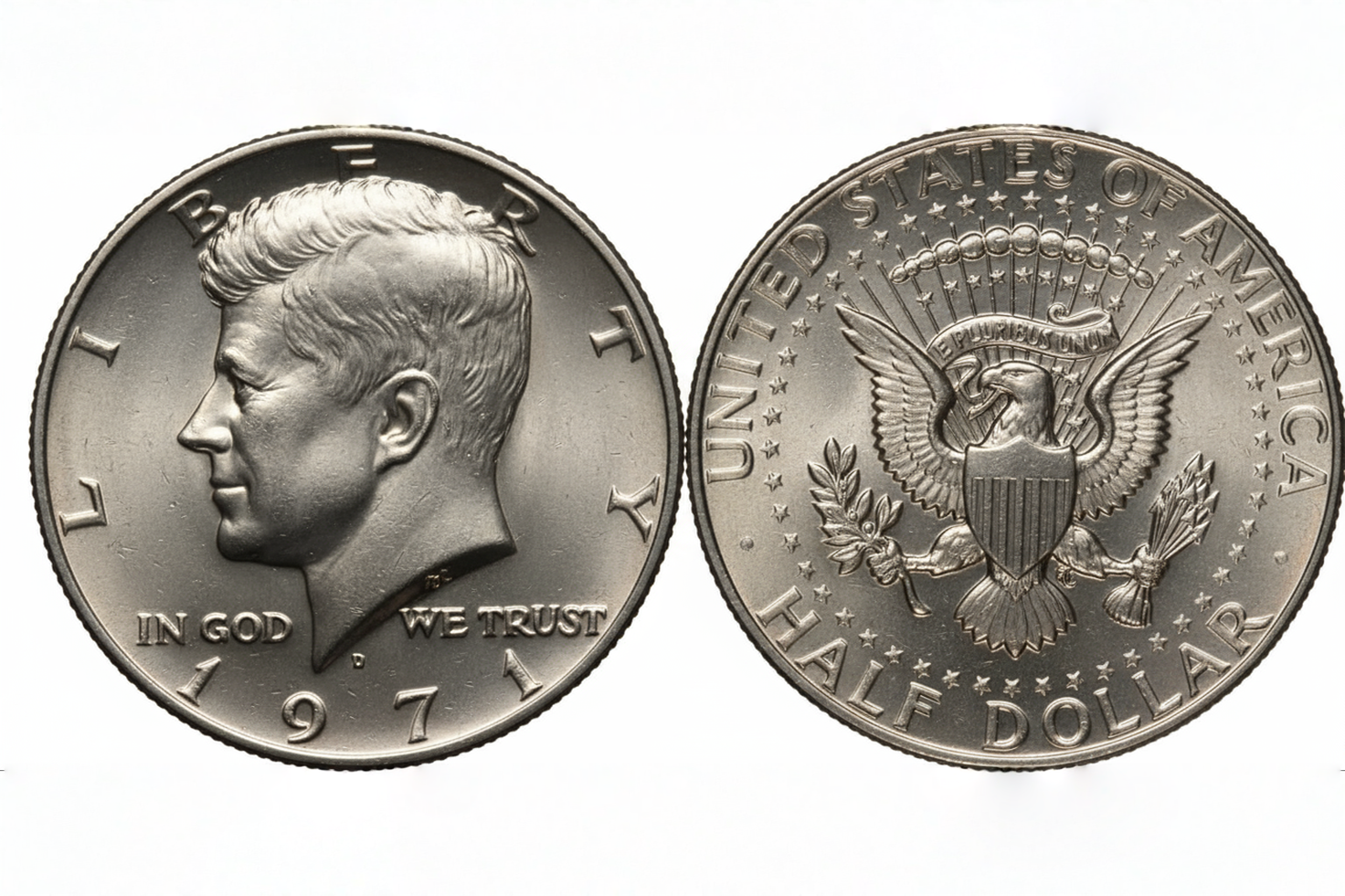
We all hold on to things. Sometimes it’s harmless, even oddly touching—like a plastic bag of half dollar coins my father gave me some years before he died. Growing up, I thought of our relationship as strained—but then again, I was a teenager. In retrospect, I view him much more charitably.
Those coins, from the 60s and early 70s, aren’t valuable in themselves, but they meant something to him. As a kid, half dollars were novel—their size and rarity in my daily experience made them special. They were also a lot of money when a candy bar cost a nickel. For more than thirty years, I’ve considered exchanging those coins for paper money, but I never have. They mattered to my father, a man marked by the hardships of the Great Depression, and because of that, they matter to me too.
But not everything we hold onto brings comfort. Many of us cling to hurts—a difficult upbringing by emotionally distant parents, the ache of a broken relationship ending in divorce, or the sting of unfair treatment on the job. These memories persist not because we choose them, but because they’re stitched deep into our hearts.
For me, what lingers longest are memories of my own failures. Times I was harsh rather than gentle, dishonest instead of truthful, or convinced myself I was right when I was really hurting someone else. The shirt I wear today may look clean on the outside, but inside it feels stained by what I can’t undo.
I bring these memories before God and wish He’d simply erase them. Without those wounds, I wouldn’t have learned compassion or grown the empathy that shapes my life and my writing today. Often, I ask God to take the sting away so shame becomes memory, not prison. Some of us just remember more deeply; that’s a burden and a gift together.
That’s where Philippians 3:13–14 steadies me: “…forgetting what lies behind and straining forward to what lies ahead, I press on toward the goal for the prize of the upward call of God in Christ Jesus.” Paul says forgetting isn’t easy—we strain forward. Our journey isn’t about perfect amnesia, but about choosing not to let the past rule the present. Each morning, this verse calls me to lift my eyes, set my direction, and trust grace—one imperfect step at a time.
Maybe our task isn’t to erase the past, but to let God redeem it. If today you’re holding onto something you wish you could shred, know that God meets you there, again and again, with hope for what lies ahead.